6 min read
Silk, jacquard, velvet, voile: a guide to fabrics
The six mills we work with cover almost the whole range of interior textiles. Here is how James Hare silk differs from a Métaphores jacquard, why the pile direction of a Lelièvre velvet matters, and where the sheers of Fine belong.
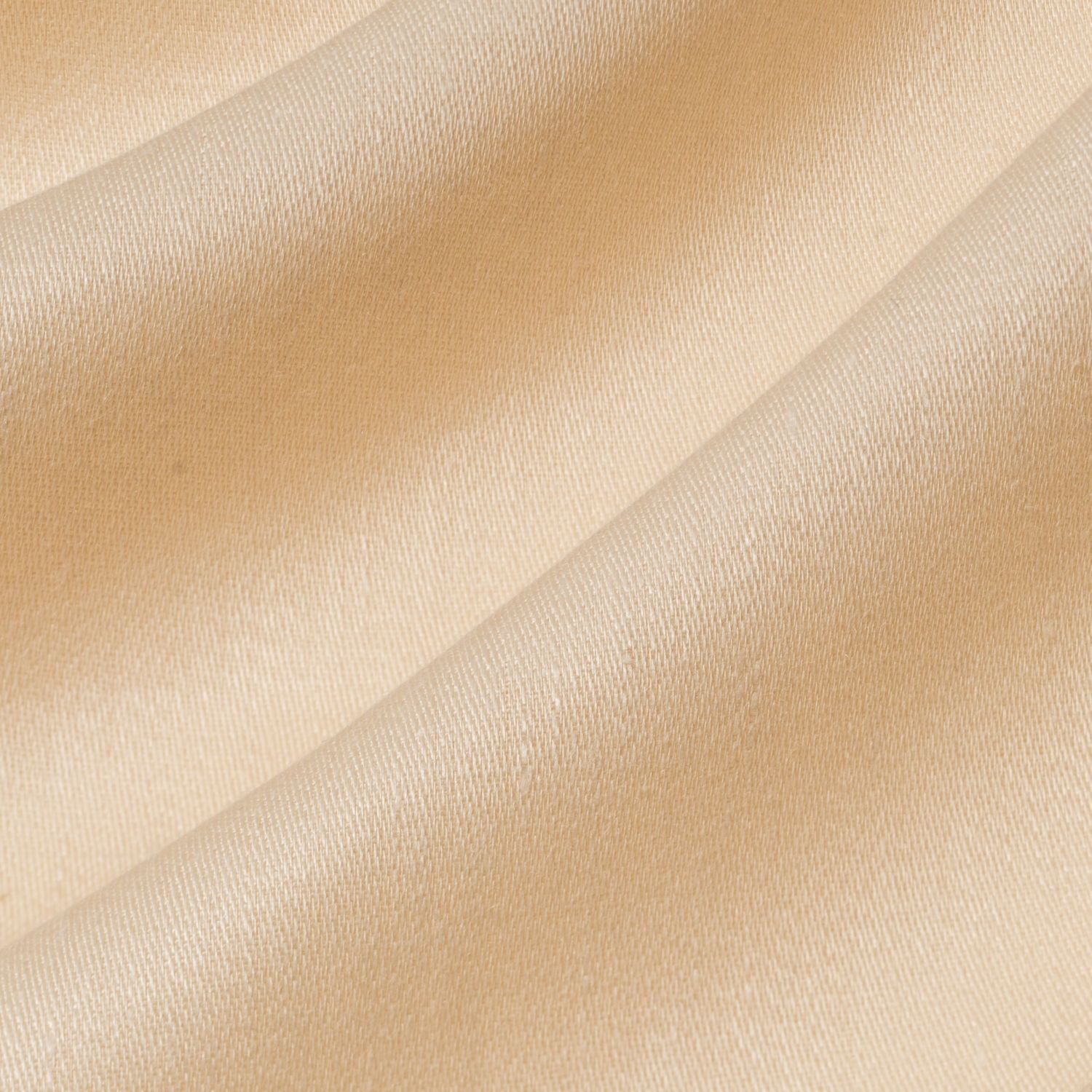
Interior fabrics are not bought from a photograph. They have weight, handle, a reverse side, a behaviour in light and in a fold — and all of this varies between mills more than colour does. Below is a short map of what we keep in the showroom, by type of fabric and by the houses that have made their name in each.
It is not a ranking. A heavy jacquard on a bedroom window is as out of place as a voile in a study. The point of the text is to help you put into words what a window or an armchair needs before you see five hundred samples.
Silk — James Hare
The English mill James Hare has been weaving silk for over a century and a half, and in our library it is the largest group by number of articles. The core of the range is plain silk taffetas and dupions in very long colour runs: dozens of shades of one quality, from near-white to deep plum. There are silk stripes, checks and light embroideries.
Silk is the most alive fabric in an interior: it changes colour with the angle and the time of day, and the curtain that looks powdery in the morning turns rose-gold by evening. That is why it is chosen for living rooms and bedrooms. The other side is sensitivity to sun: silk drapes are made only with lining, and on a south-facing window with interlining as well.
Dupion has the characteristic slubs in the yarn — textured and denser; taffeta is smooth and crisp, and holds a full fold better. Both are good for drapes and cushions; silk is rarely used for upholstery, and only where nobody sits every day.
Jacquard — Métaphores and Foresti
A jacquard is a fabric in which the design is woven rather than printed: the pattern is formed by the interlacing of yarns of different colours, so it is visible on both sides and does not wear off. This is the most architectural group of fabrics — with the weight, density and structure to hold a large fold and to last for years on furniture.
The French house Métaphores, part of the Hermès group, works with large abstract and geometric motifs, damasks and complex textures — often with wool, linen or viscose that give a matte depth. Their fabrics belong where the curtains are meant to be an object in themselves — in a living room, a dining room, on a large window.
The Italian Foresti is more classical: damasks, foliage patterns, stripes, fabrics with a silk sheen in the weft. Dense, often double-sided jacquards that behave well both as drapes and as upholstery. Foresti is where to look for an armchair fabric to pair with the curtains — one collection, different weights.
Velvet — Lelièvre
Velvet is a pile fabric, and the pile decides everything: the direction in which it lies shifts the colour by several tones. The same curtain hung “pile up” and “pile down” looks different — lighter and cooler in the first case, deeper and darker in the second. The atelier settles this at the cutting stage, and every panel in the room is cut in the same direction.
The French Lelièvre is one of the oldest houses working with velvet: cotton, viscose, mohair, embossed and plain. Their plain velvets come in wide colour runs, and it is easy to find a shade to match the wallpaper. Mohair velvet is the most abrasion-resistant and suits furniture in daily use; cotton velvet is softer and more matte, and good for drapes.
Velvet is heavy, so on a window it needs a strong track and a fullness of no more than 2. It dislikes water and creasing: it is stored rolled, not folded, and cleaned dry only.
Prints — Clarke & Clarke
Printed fabrics are the easiest way to bring a subject into a room: birds, botanicals, large flowers, landscapes. The British Clarke & Clarke prints on cotton, linen and blended grounds, and their collections are built so that the print, a companion stripe and a plain are colour-matched in advance.
Prints suit Roman blinds, cushions, light drapes and dining-chair upholstery. On large windows a big print needs checking for its repeat — it behaves like wallpaper, and matching the pattern across panel seams is part of the fabric calculation.
A linen or cotton ground makes a printed fabric matte and warm to the touch; it pairs well with velvet and less well with lustrous silk. It is a fabric for rooms that call for lightness rather than formality.
Voile and sheers — Fine
A voile is a transparent or semi-transparent fabric that diffuses light and screens the window by day without darkening the room. Modern voiles are woven 280–320 cm wide and cut along the length of the track without seams; this matters — against the light, any seam shows.
The Austrian Fine works with fine linen and polyester voiles: neutral, slightly mélange, with a barely visible structure. These are fabrics that do not compete with the drape and look well on their own on floor-length windows.
Voiles are gathered at a fullness of 2.5–3 — you cannot economise on width with them; they do not forgive it. That is why a voile is calculated together with the drape and the track rather than on its own: the width of the cloth and the length of the track have to agree before the order.
How to choose
Start with the purpose: window or furniture, bedroom or living room, blackout needed or not. Then weight and handle: take the sample, gather it into a fold with your hand and watch how it falls. Heavy fabrics fall on their own; light ones need more fullness. Check the reverse — with a jacquard it is often as beautiful as the face, and can be used.
Samples from all six mills are in the showroom in Astana, by appointment, and the fabrics themselves, with every colourway, are in the catalogue on the site, prices on request. Ahead of the visit we shortlist fabrics for your project, and samples can be taken to the site: the colour in your light matters more than in ours. Calculating the quantity, sewing and installation are the atelier’s work — all that is left to you is the choice.
Catalogue
See it in the catalogue
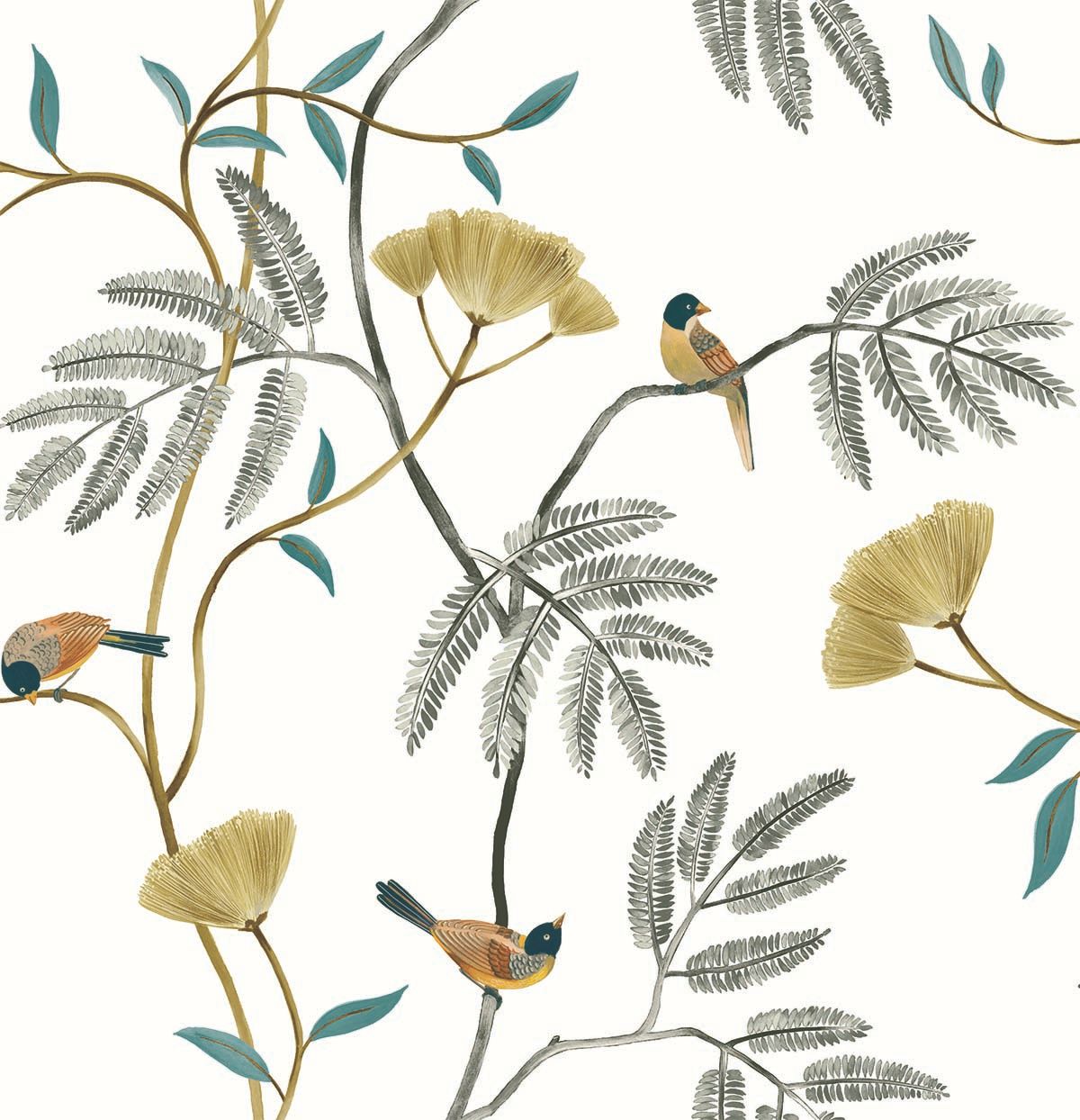
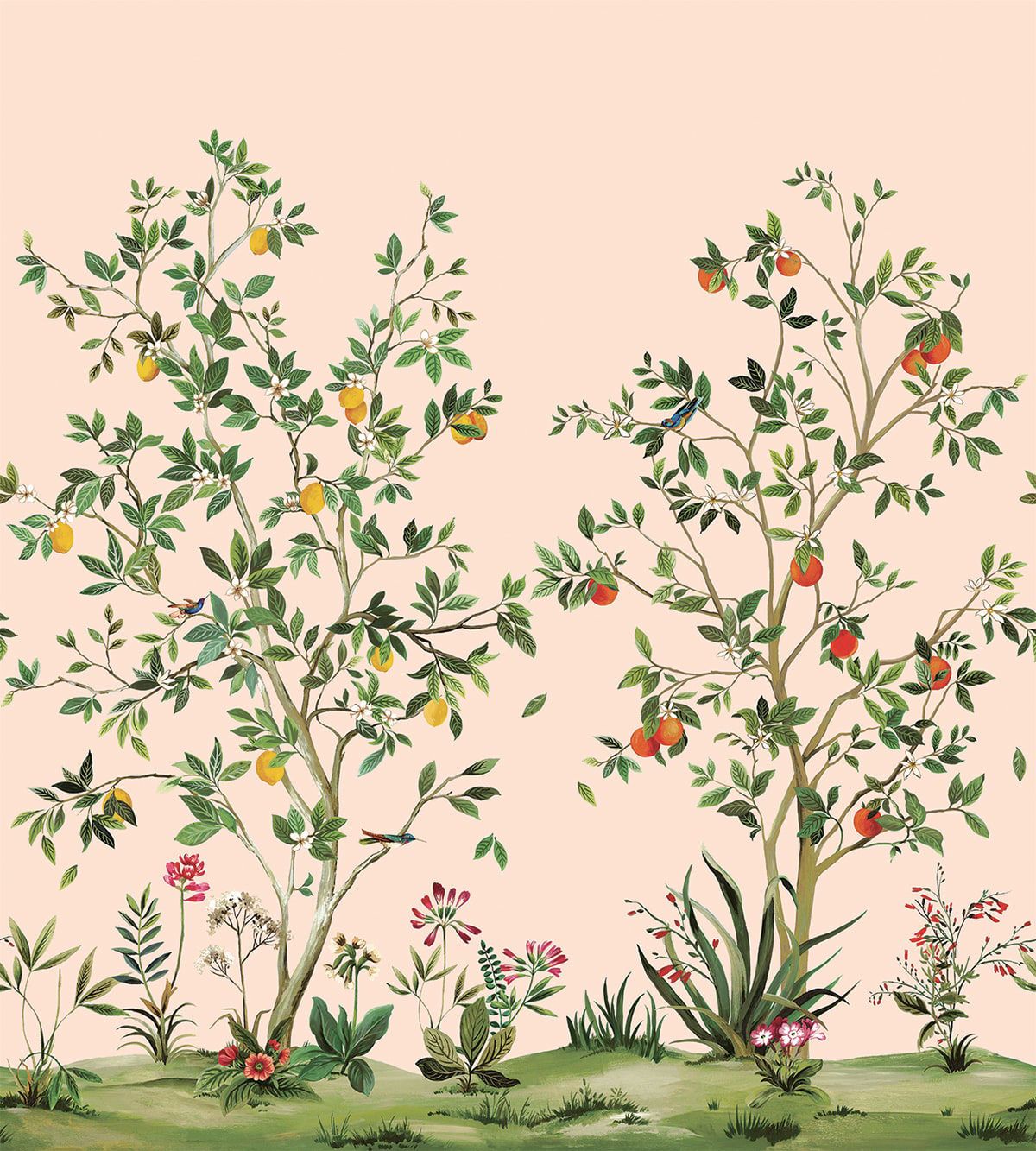
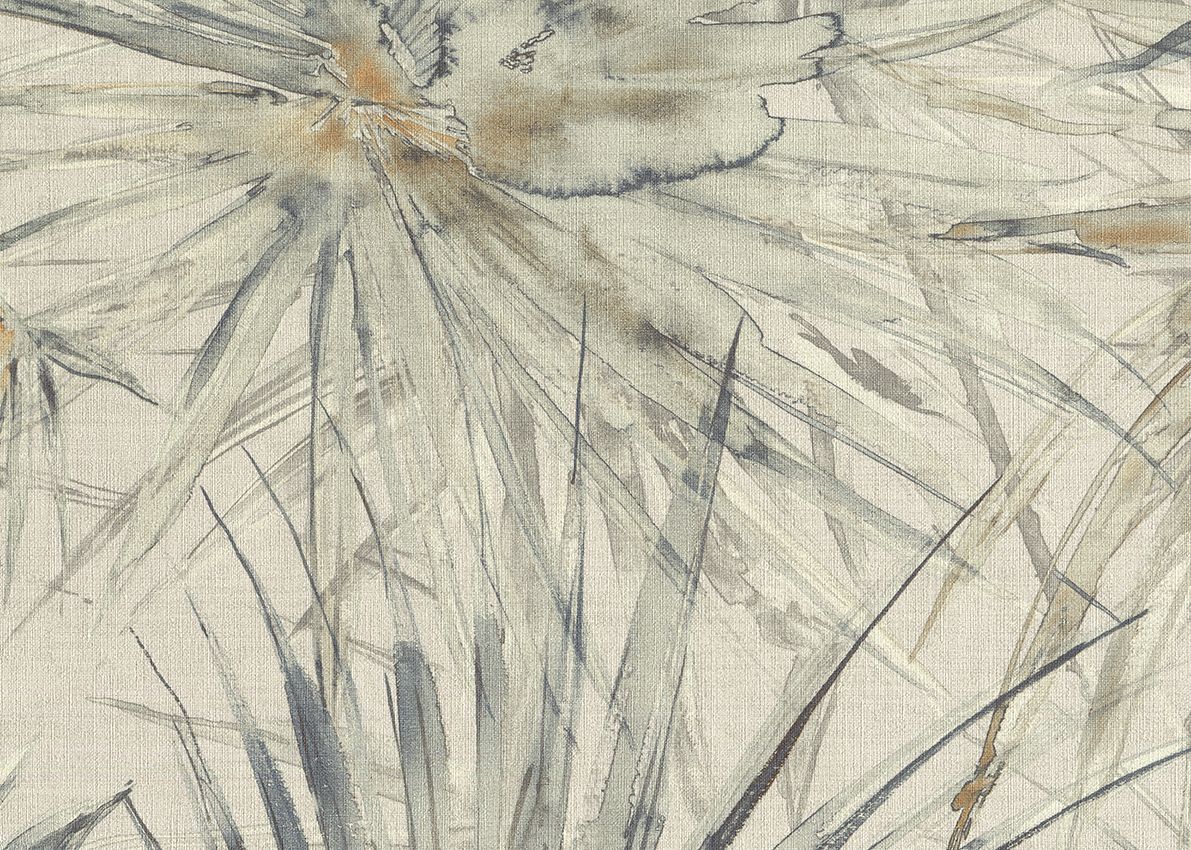
Wallpapers, fabrics and rugs are already in the catalogue, with colourways and sizes; wallpapers and Mohebban rugs carry prices, fabrics and Illulian are on request. Curtains and the rest we show in person.
Showroom
Let’s continue in the showroom
Ahead of the visit we prepare samples for your project — wallpapers, fabrics and rugs can be seen in one light and held against each other. Astana, by appointment.
- Address
- Astana, Baglan lane, 5Show on map
- Hours
- Daily from 10:00, visits by appointment
- Contacts
- +7 702 599 1333WhatsApp